Ahmedabad's Growing Role in India's Steel Supply Chain: Industrial Demand, Distribution and Sourcing
- November 20, 2026 at 12:00 PM
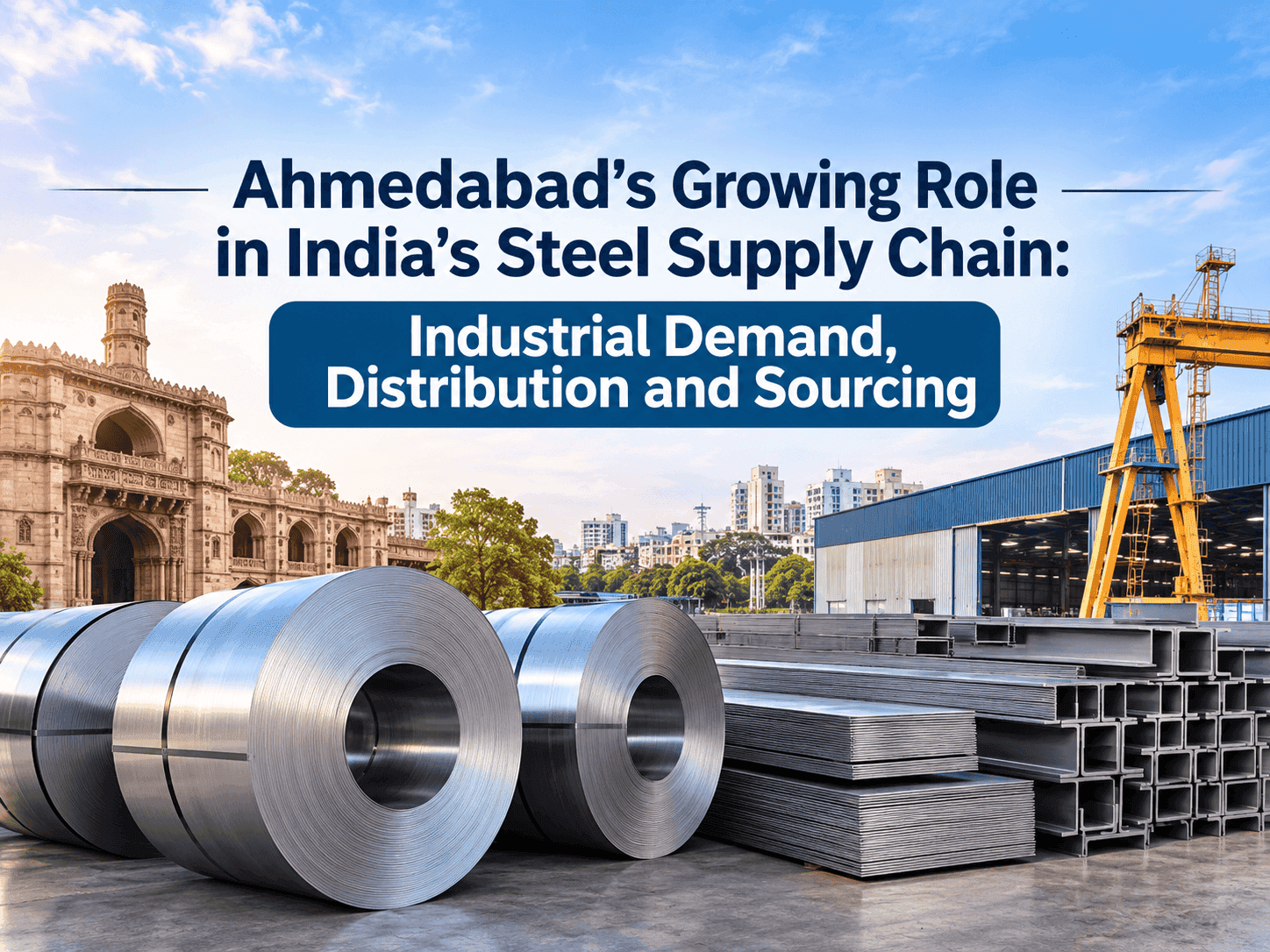
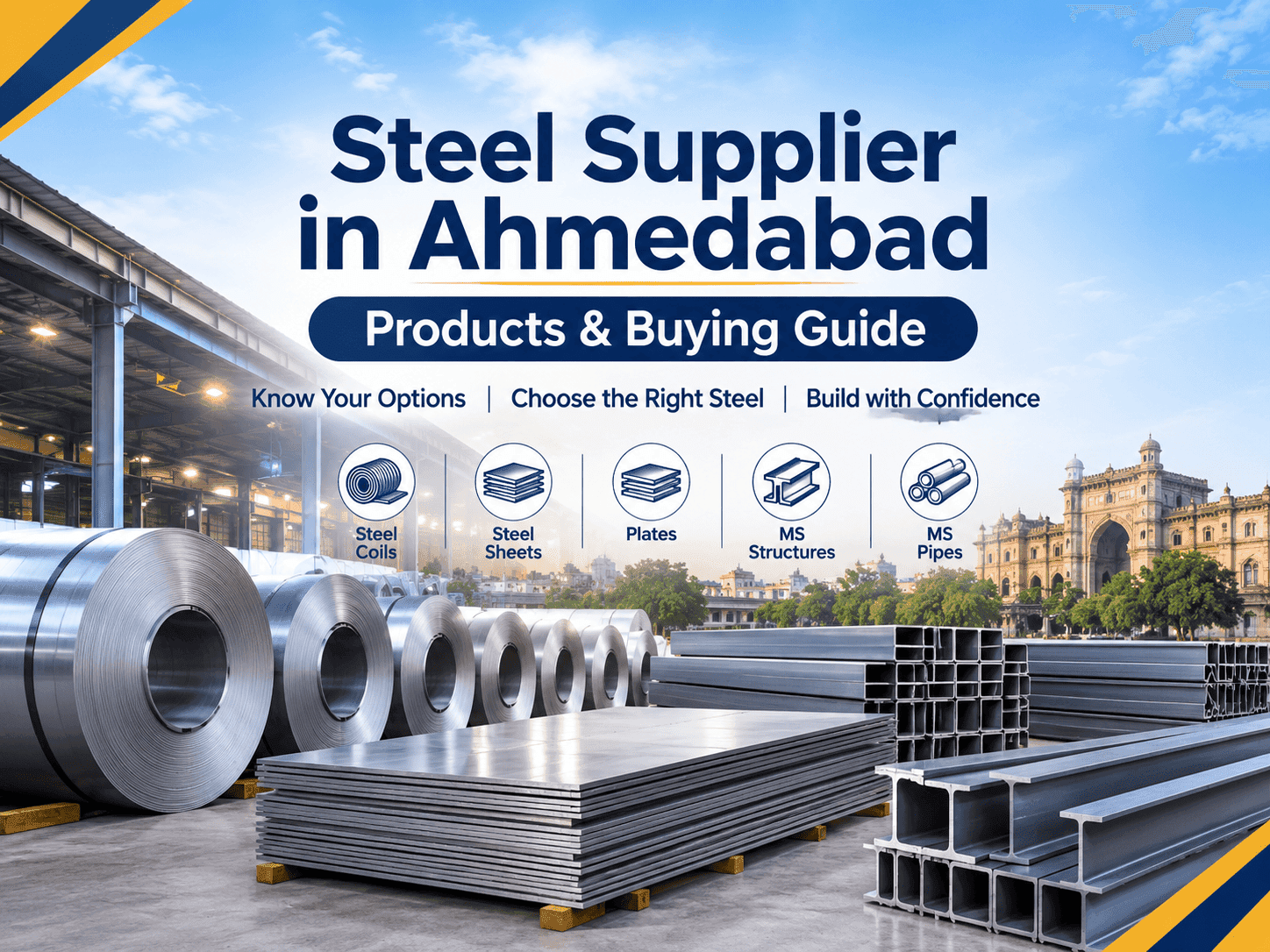
Ahmedabad is an important industrial and manufacturing centre in Gujarat, with businesses across engineering, construction, infrastructure, fabrication and industrial equipment relying on a consistent supply of steel. As these industries grow and production requirements become more specialised, choosing the right Steel Supplier in Ahmedabad becomes an important part of project planning. Buyers need more than access to raw materials. They also need suitable steel grades, accurate dimensions, reliable processing and consistent supply coordination.
Steel plays an important role in industrial development, from manufacturing machinery and fabrication components to constructing warehouses, factories and infrastructure. This makes the local steel supply chain an essential link between steel producers, processors, distributors and end users.
Why Ahmedabad Matters in Gujarat's Steel Supply Chain
Ahmedabad has a diverse industrial base supported by manufacturing clusters, industrial estates, engineering businesses and construction activity. This creates demand for different types of steel products, including hot rolled steel, cold rolled steel, galvanised steel and pre-painted galvanised steel.
Industrial buyers may require steel in coil, sheet or processed formats depending on their production requirements. For example, a fabrication unit may need material for cutting and forming, while a roofing manufacturer may require coated steel in specific dimensions and profiles.
The availability of steel suppliers and processing facilities in and around Ahmedabad helps businesses coordinate sourcing and material preparation. However, the right sourcing decision depends on the application, required specifications and the supplier's ability to meet those requirements.
How Steel Suppliers Support Industrial and Manufacturing Businesses
A steel supplier connects material requirements with suitable products and processing options. For manufacturers and fabricators, this relationship can influence production planning, material utilisation and project timelines.
Some important areas where steel suppliers support industrial buyers include:
1. Access to Different Steel Products
Different industrial applications require different steel types. Commonly used categories include:
- Hot Rolled (HR) Steel: Used in fabrication, structural applications and general engineering.
- Cold Rolled (CR) Steel: Suitable for applications where surface finish and dimensional consistency are important.
- Galvanised Iron (GI) Steel: Used in applications requiring a zinc-coated steel surface.
- Pre-Painted Galvanised Iron (PPGI) Steel: Used in roofing, cladding and other applications where a pre-finished coated surface is required.
A supplier should help buyers identify the product category that matches their intended application and technical requirements.
2. Steel in Suitable Dimensions and Formats
Steel is purchased in different formats, such as coils, sheets and cut-to-size material. The required format depends on the manufacturing process.
For example, a manufacturer using automated production equipment may prefer processed material in specific widths. A fabrication business may require sheets or cut lengths that suit its workshop operations.
Selecting the right format can help reduce unnecessary handling and material wastage.
3. Processing Support
Steel processing is an important part of the supply chain. Depending on the supplier's facilities, buyers may be able to source material along with services such as:
- Coil slitting
- Cut-to-length processing
- Steel profiling
- Corrugation
- Roll development
These services prepare steel for specific manufacturing and fabrication requirements. Buyers should confirm the available processing options, dimensions and tolerances before placing an order.
Understanding the Role of HR Coil Suppliers in Ahmedabad
Hot rolled steel is widely used in industrial applications because it is produced through a hot rolling process and is available in different product forms. It is commonly used in fabrication, engineering, structural work and manufacturing applications.
Businesses searching for an HR Coil Supplier in Ahmedabad should evaluate more than the availability of hot rolled coils. The material must match the required specifications and intended application.
Before purchasing HR coils, buyers should check:
- Required thickness and width
- Coil weight and dimensions
- Material grade and applicable standards
- Surface condition and material requirements
- Processing requirements, if any
- Inspection and documentation requirements
A reliable Hot Rolled Coil Supplier should be able to clarify available material specifications and help buyers assess whether the product is suitable for their application.
For manufacturers using steel coils as production inputs, consistency in material specifications is particularly important. Differences in thickness, width or surface condition may affect downstream processing and finished-product quality.
Factors Driving Steel Demand Across Ahmedabad's Industrial Sector
Steel demand is connected to the requirements of several industries. The type and quantity of steel used can vary according to the project, manufacturing process and application.
Infrastructure and Construction
Construction and infrastructure projects use steel in structural components, fabrication work, roofing systems and supporting applications. The selection depends on design requirements, loading conditions and relevant project specifications.
Engineering and Fabrication
Engineering and fabrication businesses use steel for equipment, components, enclosures, frames and assemblies. These applications may require different steel grades, thicknesses and dimensions.
Warehousing and Industrial Buildings
Warehouses and industrial facilities use steel in various applications, including roofing, cladding, structural fabrication and equipment-related components. GI and PPGI products may be considered for suitable roofing and cladding applications.
Manufacturing and Industrial Equipment
Manufacturers use steel as a raw material for producing machinery components, fabricated products and industrial assemblies. Their sourcing requirements may include specific material grades, coil dimensions and processing formats.
These varied applications explain why steel buyers need suppliers who understand product specifications and the requirements of different industrial processes.
How to Choose the Right Steel Supplier in Ahmedabad
Selecting a supplier is an important procurement decision. The lowest quoted price may not always represent the most suitable option if material specifications, processing requirements or documentation are unclear.
Consider the following factors when evaluating a supplier:
1. Product Range

Check whether the supplier deals in the steel categories required for your business, such as HR, CR, GI and PPGI coils. A suitable product range can make sourcing more convenient when multiple material types are needed.
2. Specification Clarity
Confirm the grade, thickness, width, coating requirements and other relevant specifications before finalising an order. These details should be clearly documented to avoid material mismatches.
3. Processing Capabilities
If your production process requires slitting, cut-to-length, profiling or corrugation, check whether the supplier offers these services. Also confirm the processing dimensions and tolerances required for your application.
4. Quality and Inspection
Ask about material identification, inspection procedures and the availability of relevant test certificates or documentation. Requirements may differ depending on the product and application.
5. Communication and Supply Coordination
Clear communication about specifications, order quantities, processing requirements and dispatch schedules helps businesses plan procurement more effectively.
6. Industry Understanding
A supplier familiar with industrial steel applications can help buyers understand product options and identify the information needed before placing an order. Final material selection should still follow the project's engineering and technical requirements.
Why Steel Processing Is an Important Part of the Supply Chain
Steel procurement does not always end when raw material reaches the buyer. Many manufacturers need steel in a format that can be directly used in their production process.
For example, a wide steel coil may need to be slit into narrower strips. Another buyer may require sheets cut to specific lengths. Roofing and fabrication businesses may need profiled or corrugated steel products.
Processing can help align the supplied material with the buyer's production requirements. It can also reduce additional handling when the required dimensions and specifications are agreed upon in advance.
When comparing a steel supplier, businesses should therefore consider both material sourcing and the processing services available.
V Metal Solutions INC: Steel Supply and Processing in Ahmedabad
V Metal Solutions INC serves industrial steel requirements from Ahmedabad, Gujarat. Its product range includes HR, CR, GI and PPGI steel coils, along with MS structures and pipes.
The company also offers steel processing services such as coil slitting, cut-to-length, profiling, corrugation and roll development. These services support businesses that require steel in formats suited to their manufacturing, fabrication and other industrial applications.
For businesses evaluating a Steel Supplier in Ahmedabad, V Metal Solutions INC provides a point of contact for discussing steel product requirements and associated processing needs.
Buyers can share their required steel type, grade, thickness, width, quantity and intended application to help establish the material and processing requirements for an enquiry.
Conclusion
Ahmedabad's industrial ecosystem creates demand for a wide range of steel products and processing services. From HR coils used in fabrication to GI and PPGI products used in suitable roofing and cladding applications, material selection depends on the specific requirements of each business.
Choosing the right steel supplier involves checking product availability, specifications, quality documentation, processing capabilities and supply coordination. A clear understanding of these factors can help manufacturers and fabricators make better procurement decisions.
Businesses looking for an HR Coil Supplier in Ahmedabad or a reliable source for other industrial steel requirements should evaluate suppliers based on their actual product and service capabilities rather than price alone.
Frequently Asked Questions
Related Blogs

How to Choose the Right Mild Steel Structure for Your Project
The ideal selection of mild steel construction for a project has an excellent correlation to the success of that project, its life...

Mild Steel – All You Need to Know
Mild steel has become a prominent material in modern-day industries creating...

Top Trends in Metal Processing Technologies for 2025
The metal processing industry constantly evolves, aided by technology, sustainability targets, and unceasing calls for efficiency ...

The Role of Customized Mild Steel Products in Modern Construction
There are high demands for versatile, durable, and sustainable construction materials at a rapid pace of urbanization and arch...

Budget 2025-26 and Its Impact on the Steel Industry: A Strategic Outlook
The multifaceted steel industry has evolved into an indispensable spine to development in almost all sectors, ranging from tall bu...

Why are MS Pipes the preferred choice for high-rise buildings?
In the contemporary era of architecture/construction, high-rise buildings have been viewed as a symbol of progress, advancement, a...

The Importance of High-Quality Structural Components in Bridge Construction
Bridges demonstrate the incredible combination of engineering science and architectural vision through their construction, connect...

A Huge Step to Converse India Imposes 12% Safeguard Duty on Steel Imports: ...
On April 21,2025, the Indian government introduced a 12% provisional safeguard duty on flat steel imports for 200 days. This is a ...
How Global Conflicts Are Impacting the Steel Industry in 2026
In 2026, global tensions are reshaping industrial ecosystems, which are experiencing ripple effects across supply chains and pric...
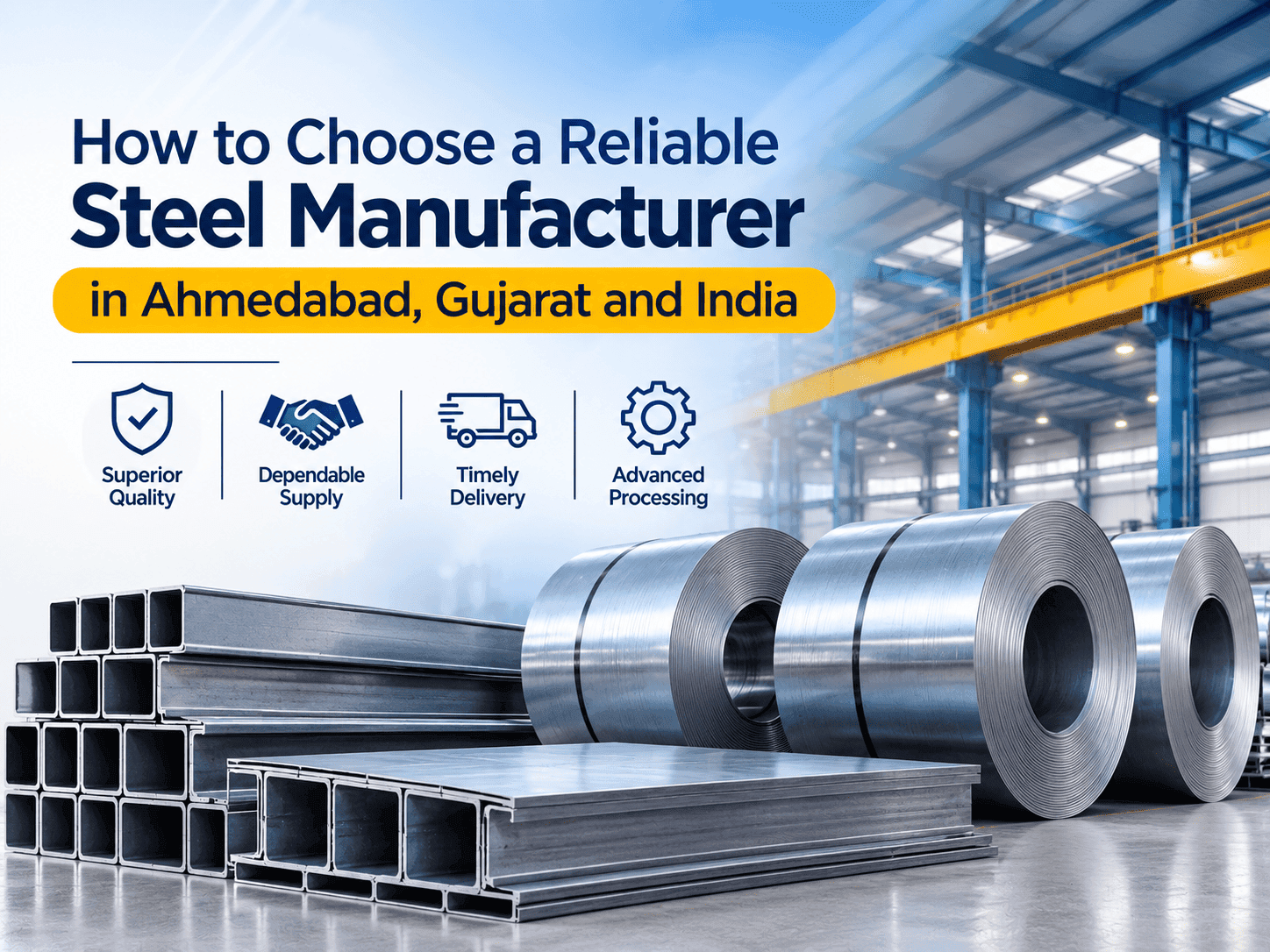
How to Choose a Reliable Steel Manufacturer in Ahmedabad, Gujarat and India
Steel plays an important role in construction, infrastructure, manufacturing, automotive, engineering, and several other industrie...
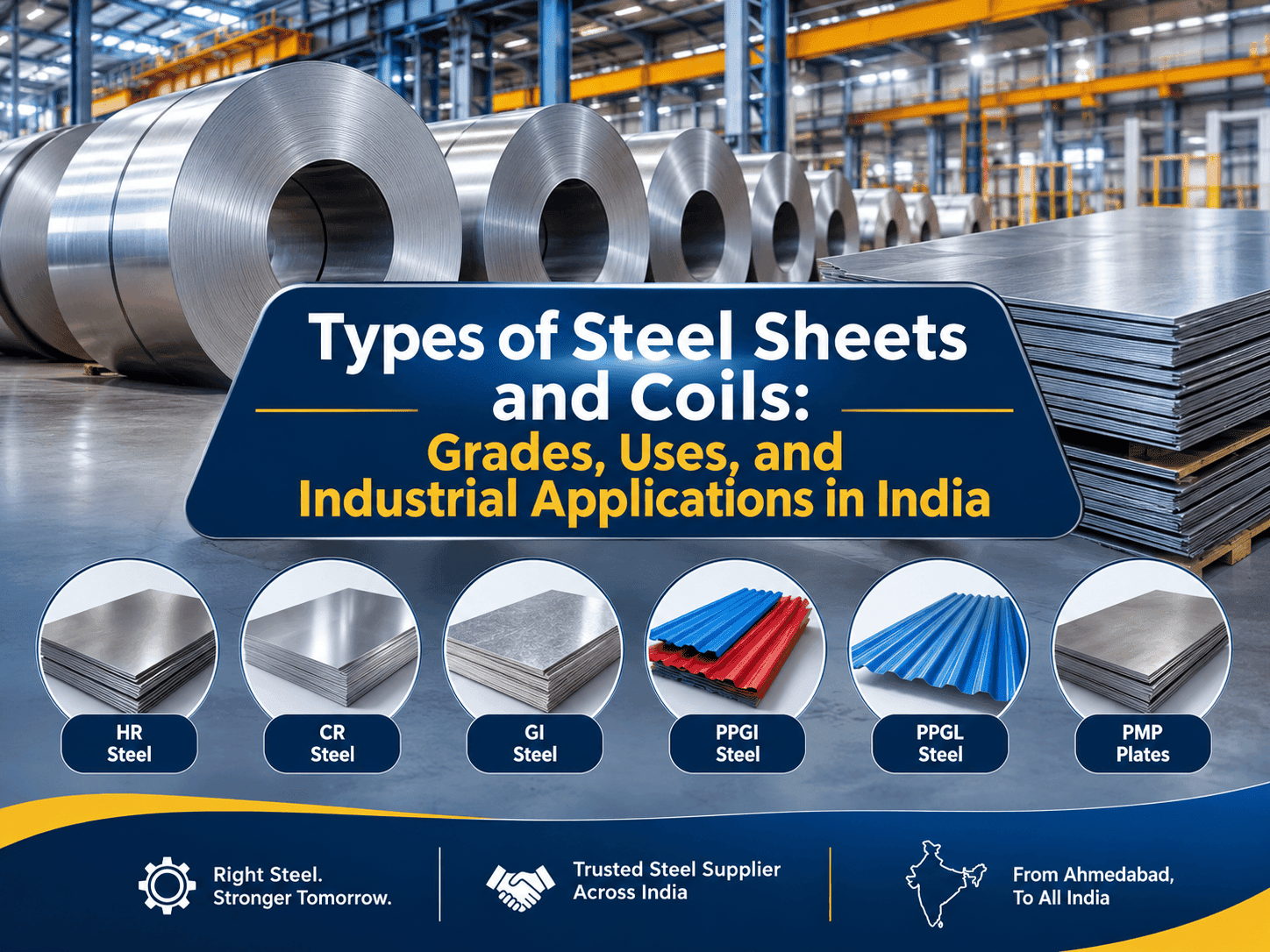
Types of Steel Sheets and Coils: Grades, Uses, and Industrial Applications ...
Steel is one of the most widely used materials across construction, infrastructure, automotive manufacturing, engineering, electri...
Steel Supplier in Ahmedabad: Types of Steel Products, Applications and Buyi...
Steel is an essential material for construction, infrastructure, engineering, fabrication and industrial manufacturing. Choosing t...